

Blog
Skills you can prove, not just claim
Practical notes on skills, assessment and AI, for the people who have to turn “we think they’re good at this” into something they can defend.
Most loved
Top 10





Most read
Top 10

All notes
40 notes
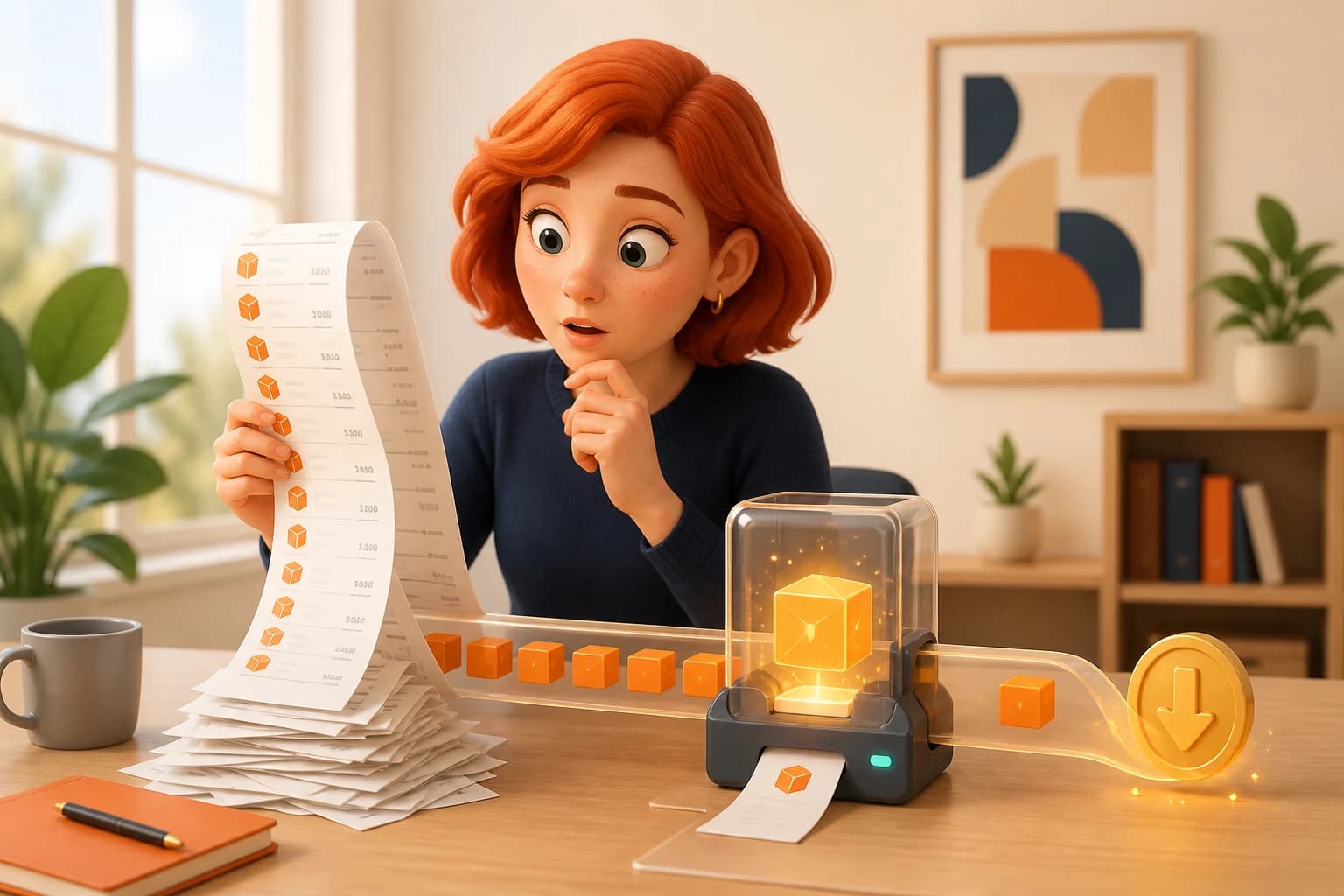
Token optimization: the money is in not paying for the same tokens twice
Most advice says write shorter prompts. That is the smallest lever there is. The bill is mostly tokens you send again at full price, output nobody needed, and calls that did not have to happen, and the fixes come in a particular order.
9 min1readers

Talk to your data: letting an AI write SQL against your own database, and the fence that makes it safe
Turning a typed question into a query is the easy half. The half worth writing about is what the query is physically unable to reach, because a prompt asking a model not to read something is not a security boundary.
10 min2readers2loves

How to build your first AI agent: start with the check, not the model
Most first agents fail the same way, and it is not the model. They fail because nobody wrote down what finished looks like, so nobody can tell when the agent is wrong. Six steps, in the order that avoids it.
9 min4readers3loves

Classic SDLC vs AI SDLC: the phases did not change, the ratio of building to checking did
Producing an artefact collapsed to minutes in every phase of the lifecycle. Verifying one did not move at all. That inversion is the whole difference, and it is what broke your delivery metrics.
10 min3readers2loves

Seedance 2.5: what changed, and why 50 reference inputs matter more than native 4K
The headline is thirty seconds of 4K from one prompt. The number that actually changes the work is the fifty references you can hand it, because that turns prompting into art direction.
8 min3readers2loves

GPT-6 Astra: the important number in this release is a classification, not a benchmark
For the first time a frontier model's headline capability is the one almost nobody is allowed to use, and the practical consequence is that you can no longer plan a team's capability from a spec sheet.
9 min13readers3loves

What Grok Bot actually is, and why an agent with its own computer changes what you have to check
The headline is not that it is smarter. It is that the output stops being a draft you review and becomes an action already taken, and every habit we built for checking AI work assumed a draft.
10 min12readers8loves

How to run a skills gap analysis for your team, without producing a chart nobody uses
Most analyses measure the distance between your team and a framework somebody else wrote, which is why nothing happens afterwards. Measure the distance between your team and the work you have already promised to deliver, and the list gets short enough to decide about.
10 min13readers10loves
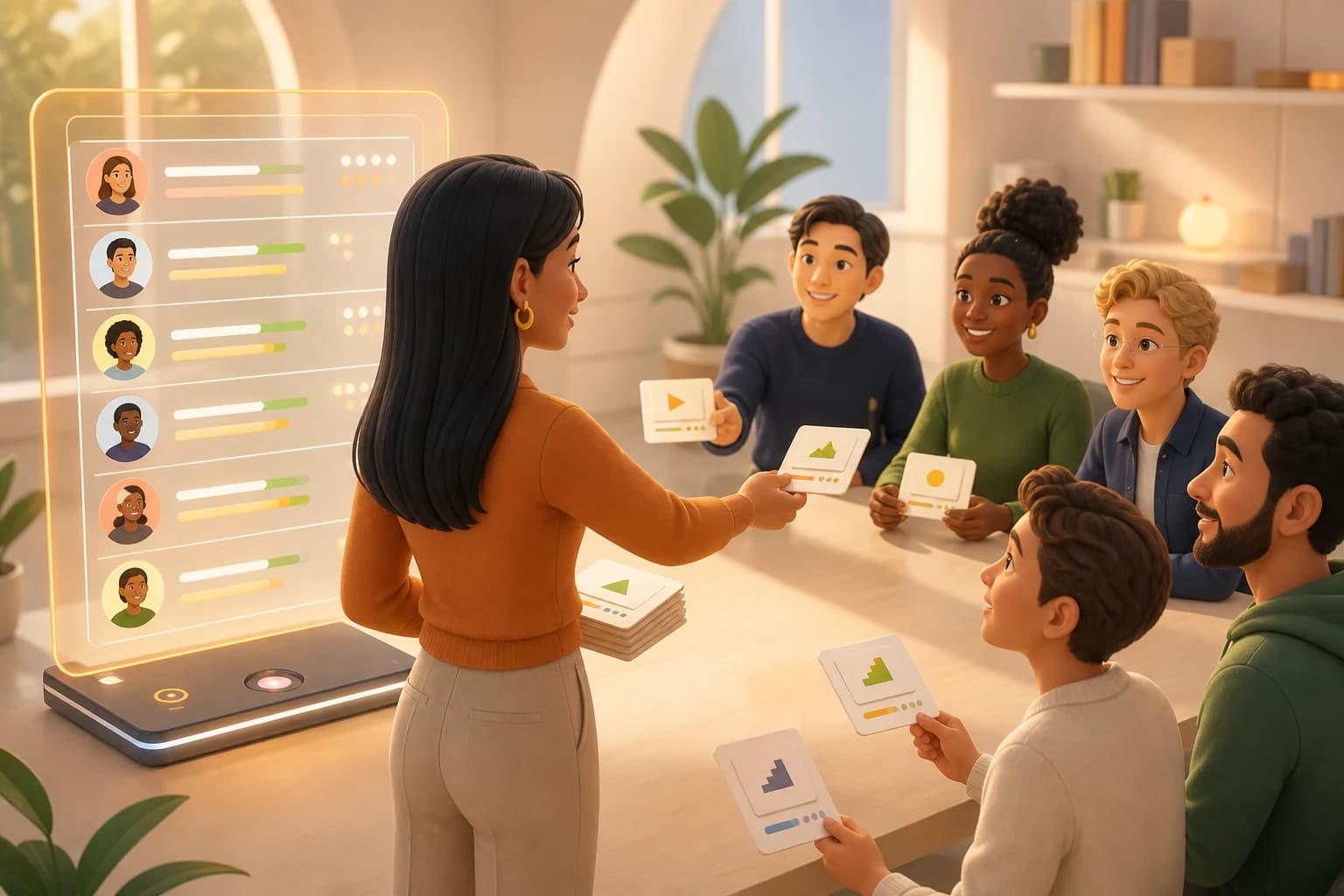
How to use AI to build development plans for your team, and the one part it cannot do
Writing the plan was never the expensive part, and writing is what AI is best at. Point it at the drafting and you get more of what was already failing; point it at the diagnosis and it changes who gets a plan at all.
10 min8readers7loves
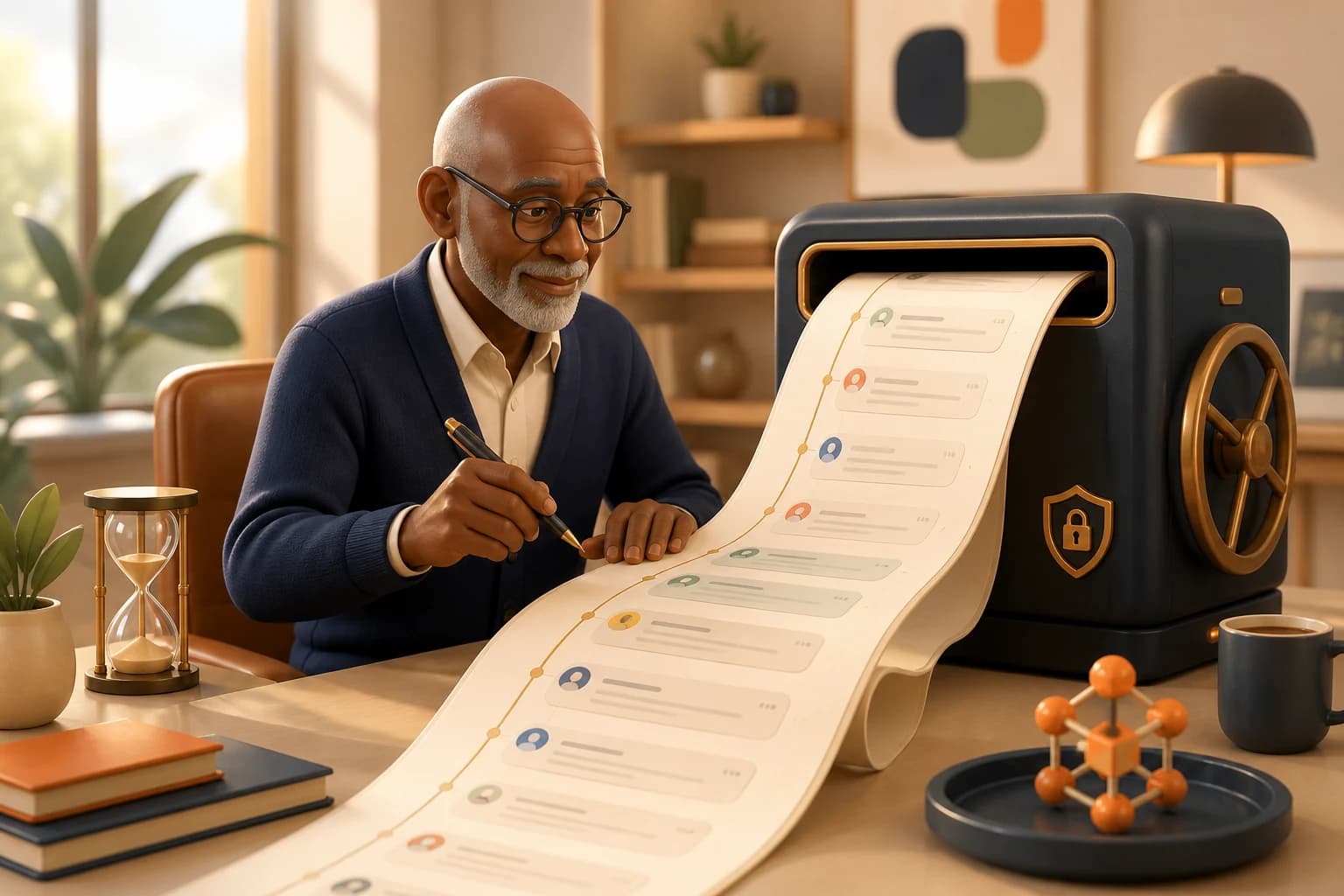
Claude Fable 5.1: what changed, and why your conversation history is now append-only
The capability notes read like every other release. The interesting part is a rule underneath them: edit an earlier turn of a long session and everything the model reasoned after it stops being valid.
9 min20readers10loves

How to write a personal development plan that actually gets done: seven steps
Most development plans fail at the writing stage rather than the doing stage. They are made unfinishable before anybody starts, usually by being too admirable to argue with.
11 min8readers5loves

Managers who give development plans, and managers who don't: what actually differs a year later
It is not that one of them cares more. It is that one of them knows what their team can do now, and the other is working from a picture that stopped updating on the day everybody was hired.
9 min9readers6loves
Every note here argues the same thing. This is the product that acts on it.
PDP Quest assesses what someone can actually do, and turns the gap into a plan they will finish.