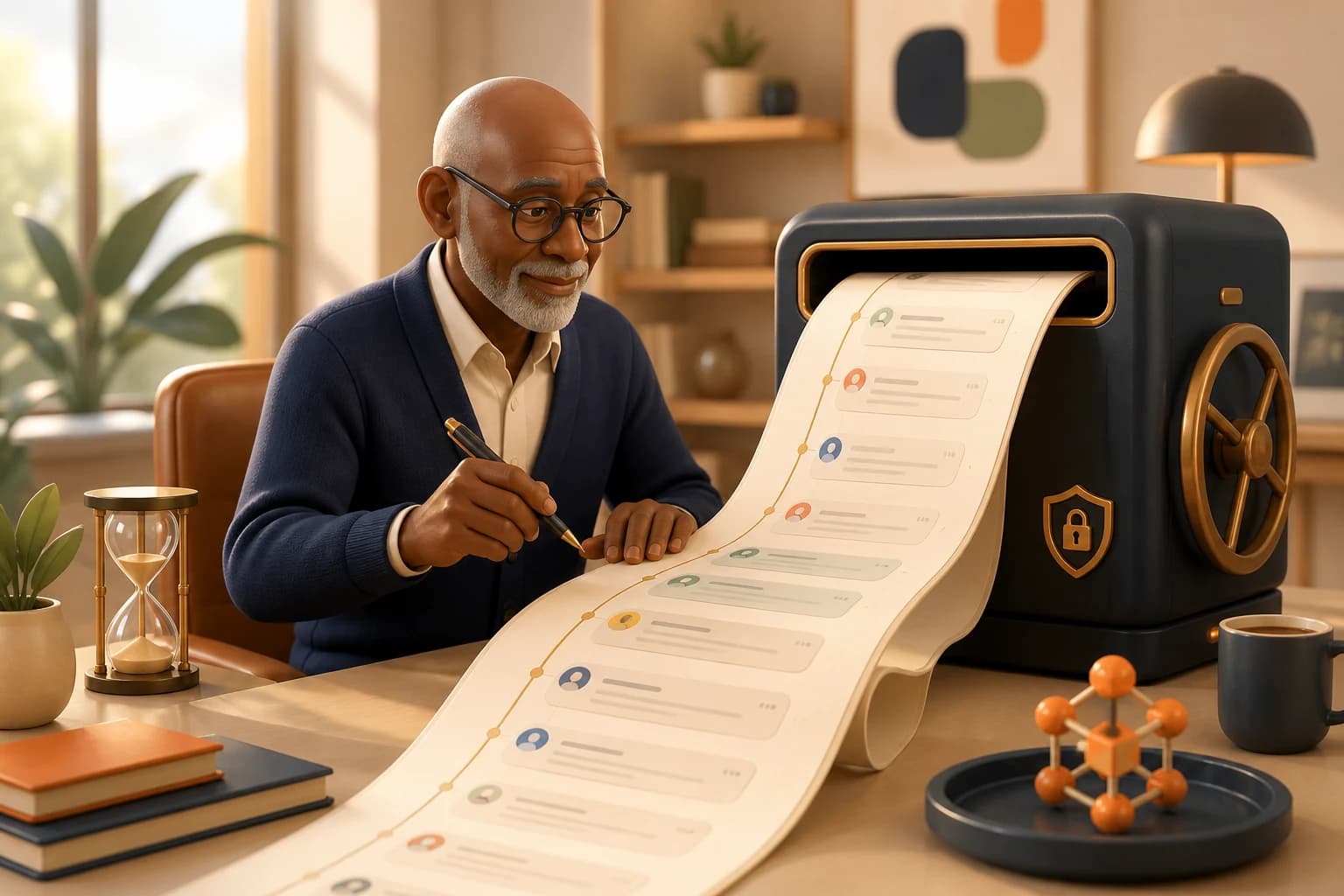
The specification everyone quotes is thirty seconds of native 4K from a single prompt. It is the least interesting thing in the release.
The number that changes what the job is: Seedance 2.5 accepts up to fifty pieces of reference material in one input, against twelve in the version before it. TechNode's account breaks that down as thirty images, ten videos and ten audio clips, and The Next Web adds 3D white-box models and style references to the list.
A prompt is a description. Fifty references is a brief. Those are different activities, done well by different people, and the second one has a name that predates all of this: art direction.
What actually shipped
ByteDance unveiled it in Beijing on 23 June 2026 with an enterprise beta live immediately, and TechNode reported the rollout to Jimeng AI and the Pro tier of Doubao at the end of July. An API on Volcano Engine's Ark platform was still described as coming rather than available.
The capability claims are ByteDance's own rather than independently verified, and worth reading with that label attached: thirty-second clips in a single run, multi-turn extension for longer sequences, native 4K at ten-bit colour depth, and twenty percent better prompt adherence than the previous version.
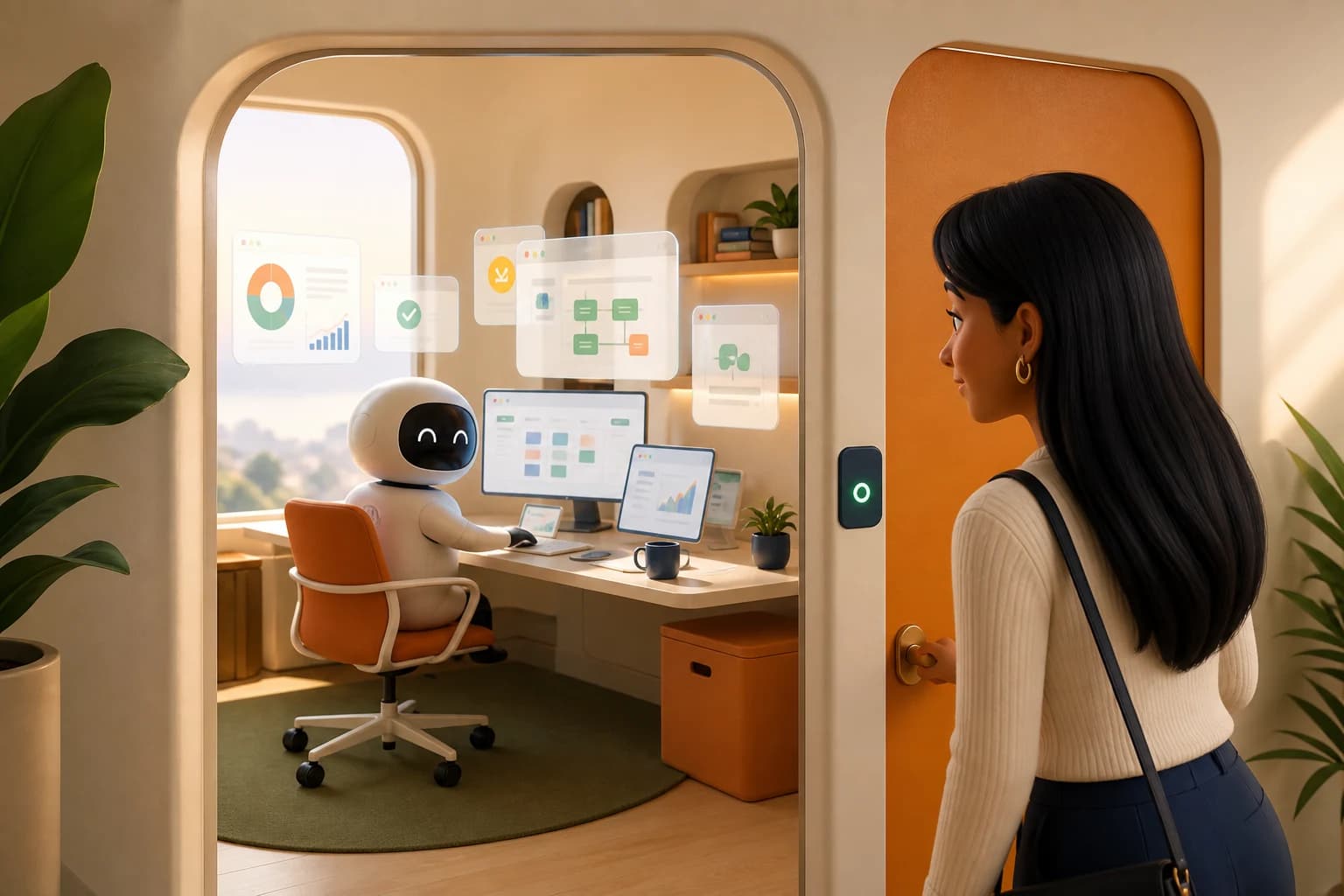
One architectural detail is more than a spec bump. Audio is co-processed in the same latent space as the visual signal rather than generated separately and laid underneath, which is what produces synchronisation between what happens on screen and the sound it makes. Anyone who has tried to cut generated footage to generated audio knows why that is the difference between a clip and a shot.
Pricing for 2.5 has not been published. The predecessor is the only guide there: Volcengine put Seedance 2.0 at roughly one yuan a second, about fourteen cents, which is the number to plan against until something better exists.

Why fifty references beats 4K
Resolution has not been the thing standing between generated video and usable video for a while. Consistency has.
The failure that kills real projects is that the same character, product or place will not survive from one shot to the next, because a text prompt cannot pin a face. You can describe a fox in a green hoodie in exhaustive detail and get a different fox every time, and the difference will be in precisely the places a viewer looks first: the eyes, the proportions of the face, the silhouette.
References are the fix, and the count is the constraint. Twelve inputs is enough to suggest a look. Thirty images plus ten clips plus ten pieces of audio is enough to specify one: several angles of the subject, a few frames of how it moves, the palette, the grade, the room, the sound it makes. That is a shot list rather than a wish.
Which is why the interesting question about this release is not what it can render. It is whether your team can assemble a brief worth fifty inputs, because the tool is now capable of using one and most organisations have never had to produce one.
The guardrails are a headline feature now, for the third release running
Seedance 2.5 ships with face-blocking filters, C2PA watermarking and copyrighted-character detection, added after pressure from Hollywood on the previous version. The Next Web's account is blunt that unresolved copyright conflicts with the major studios remain the open question for distribution outside China.
Set that beside the two releases before it. Grok Bot arrived with its most powerful capability held back behind an approvals model. GPT-6 Astra was classified at the Critical cybersecurity threshold and shipped with that capability withheld from almost everyone. Now a video model leads with what it refuses to draw.
Three frontier releases in a row where the constraint is part of the announcement rather than a footnote. That is a change in what a launch is, and it has a practical consequence that is easy to miss: what a model can do and what you will be permitted to do with it are now separate questions, and only the second one is a plan.
Video was the last place output still proved capability
There is a reason this lands differently from a text model, and it is worth naming plainly.
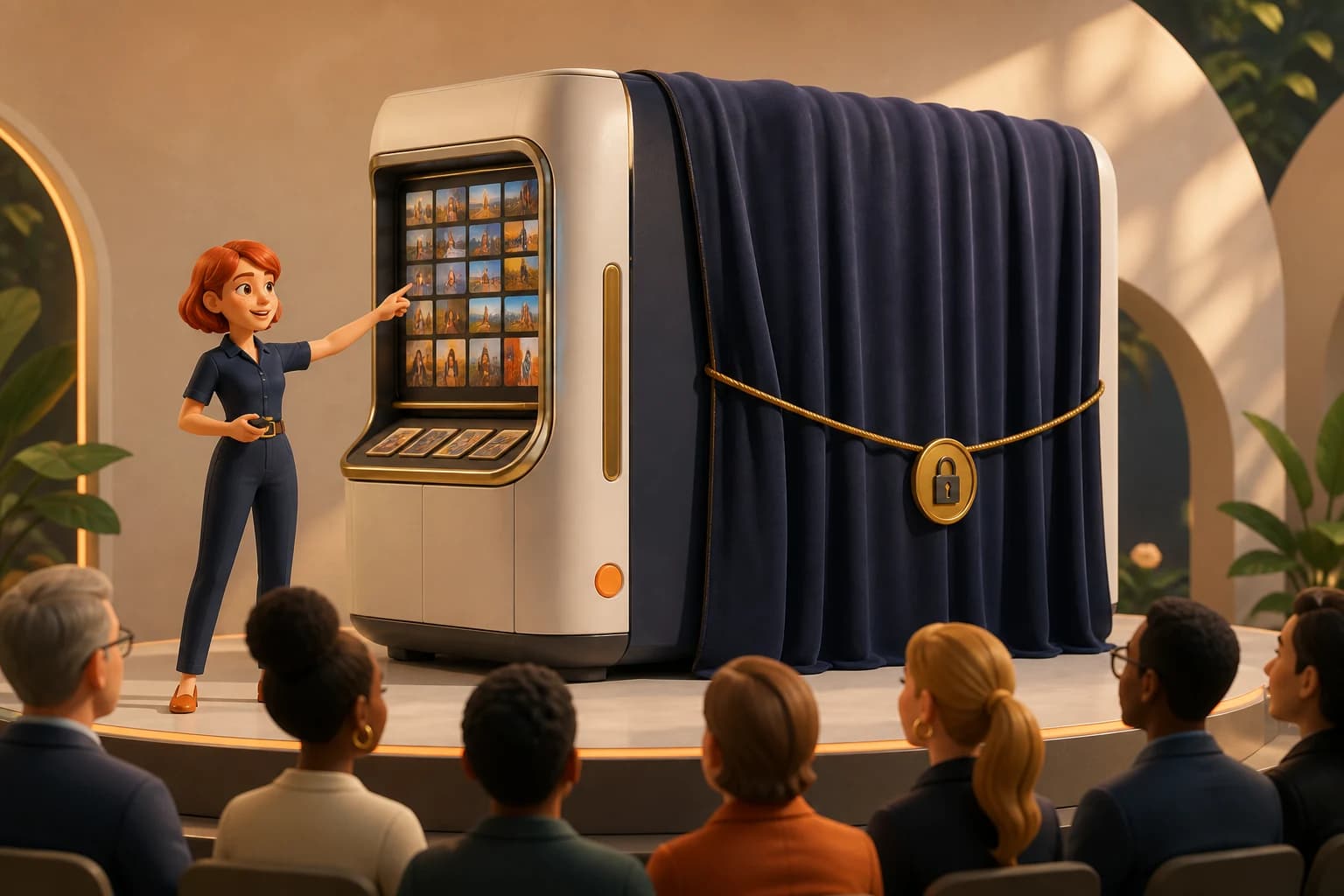
For most of the last three years, a finished video was still evidence. Anyone could claim to write; a thirty-second piece with matched audio, consistent characters and a coherent grade implied a person who had actually done the work, because assembling one took skills that were expensive to fake. Showreels worked as proof for the same reason a portfolio did.
That is the property this removes, in the same way it has already been removed from writing, code and design. The output stops indicating the capability, and the question of who on your team can actually do this stops having an obvious answer.
The uncomfortable part is that the skill has not disappeared, it has moved somewhere less visible. Deciding what to shoot, what references specify it, and whether the result is any good is still real work, done well by few people. It just no longer leaves a trace in the artefact, which means you cannot infer it from the artefact any more.
What to actually do about it
Two things, and neither is about the tool.
First, if you are going to use it, build the brief before you build the pipeline. Fifty inputs is a capability you have to feed. The organisations that get value from this will be the ones that can already say what their thing looks like, sounds like and moves like, which is a brand and art direction question rather than a software one.
Second, stop treating finished output as evidence of who can do the work. That was always a shortcut and it has now stopped being a reliable one for video as well. If it matters who on your team can actually direct a piece of work, that has to be established some other way, because the showreel no longer settles it.
The test I would apply to this release is the one I would apply to any of them. Take a real brief you already own, run it, and ask somebody who knows the subject whether the result is right rather than whether it is impressive. Those two answers have been diverging for a while, and the gap between them is where all the risk lives.